


For many people, the idea of getting dental implants can feel intimidating. The thought of oral surgery, recovery time, or possible pain often causes patients to delay treatment for missing teeth. Unfortunately, waiting too long can lead to additional oral health problems, including bone loss, shifting teeth, difficulty chewing, and declining confidence in your smile. Many patients spend months or even years hiding their smile because they assume dental implants are painful or complicated.
The truth is that modern dental implant treatment is far more comfortable and predictable than most people realize. Advances in dental technology, sedation options, and guided implant placement have made the process smoother and less invasive than ever before. At New Smiles Dental, patients receive personalized treatment designed to restore both function and appearance while minimizing discomfort throughout every stage of care. Whether you are missing one tooth or several, dental implants offer a long-term solution that can dramatically improve your quality of life.
This guide explains what patients can really expect from dental implant treatment, including pain levels, healing timelines, long-term benefits, and the reasons implants remain one of the most trusted tooth replacement options available today. You will also learn how proper planning, skilled placement, and ongoing care contribute to successful results that can last for decades.
Table of Contents
- Why Dental Implants Are Less Painful Than Most People Expect
- Understanding the Healing Process After Dental Implant Surgery
- Long-Term Benefits of Dental Implants
- How to Know if Dental Implants Are Right for You
- Frequently Asked Questions
Why Dental Implants Are Less Painful Than Most People Expect
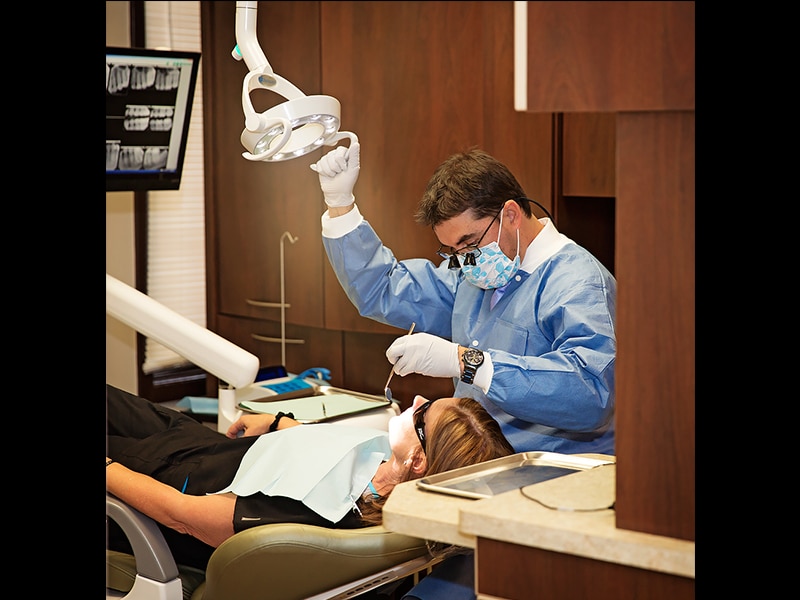
One of the biggest misconceptions about dental implants is that the procedure is extremely painful. In reality, most patients report that implant placement feels easier than a tooth extraction. Modern dentistry focuses heavily on patient comfort, and dental implant procedures are typically performed using local anesthesia and, when appropriate, sedation options that help patients remain relaxed throughout treatment.
During the procedure, the implant itself is carefully placed into the jawbone to act as an artificial tooth root. Because the area is fully numbed, patients usually feel pressure rather than pain. Many individuals are surprised by how quick and straightforward the appointment feels. After the numbness wears off, mild soreness and swelling are common, but these symptoms are generally manageable with over-the-counter pain medication, cold compresses, and proper aftercare instructions.
The level of discomfort often depends on the complexity of the case. A single implant may require minimal recovery time, while multiple implants or bone grafting procedures may involve slightly more tenderness. However, advancements in digital imaging and guided implant placement allow dentists to perform procedures with greater precision and reduced trauma to surrounding tissues. This leads to faster healing and less postoperative discomfort overall.
Another reason dental implants are more comfortable than people expect is that the process is carefully planned. Dentists evaluate bone structure, gum health, and bite alignment before treatment begins. This detailed planning helps minimize complications and improve the overall success of the procedure.
According to the American Academy of Implant Dentistry, dental implants have a long-term success rate of approximately 95% when properly placed and maintained. Patients who follow aftercare instructions and maintain good oral hygiene often experience smooth healing and excellent long-term outcomes.
Many patients also fear the sounds or sensations associated with oral surgery. Open communication with the dental team can make a significant difference in reducing anxiety. Understanding each step of the procedure and knowing what to expect helps patients feel more comfortable and confident during treatment.
Additionally, sedation dentistry options may be available for patients with dental anxiety. These options can include nitrous oxide, oral conscious sedation, or IV sedation depending on the treatment plan and patient needs. Sedation allows patients to remain calm and relaxed while still receiving the care they need comfortably.
The fear of pain should not prevent anyone from restoring their smile. Missing teeth can negatively affect both oral health and overall well-being over time. Dental implants provide a durable, natural-looking solution that supports long-term oral function while helping patients regain confidence in their appearance.
Understanding the Healing Process After Dental Implant Surgery
Healing after dental implant surgery is a gradual process, but most patients recover more comfortably than anticipated. The initial healing stage usually lasts a few days, during which mild swelling, tenderness, or bruising may occur. These symptoms are temporary and can typically be managed with prescribed or over-the-counter medication, soft foods, and rest.
The first 24 to 48 hours are especially important. Patients are usually advised to avoid smoking, drinking through straws, or eating hard foods that could interfere with healing. Applying ice packs intermittently can help reduce swelling and improve comfort. Most individuals return to normal daily activities within one to three days depending on the extent of treatment.
As healing continues, the implant undergoes a process called osseointegration, where the titanium post fuses with the jawbone. This process is what makes dental implants incredibly stable and long-lasting. Osseointegration can take several months, but patients are often able to wear temporary restorations while the implant heals.
Good oral hygiene is essential during recovery. Patients should continue brushing and flossing carefully while following any special cleaning instructions provided by their dentist. Maintaining a clean environment around the implant site reduces the risk of infection and supports healthy tissue healing.
Diet also plays a major role during recovery. Soft foods such as yogurt, mashed potatoes, scrambled eggs, smoothies, and soup are commonly recommended during the first several days after surgery. Gradually reintroducing firmer foods helps avoid unnecessary pressure on the healing implant site.
Patients should also attend all scheduled follow-up appointments to monitor healing progress. These visits allow the dental team to evaluate implant stability and ensure the gums and bone are healing properly. Early detection of any issues helps protect long-term implant success.
For patients interested in learning more about restorative dentistry options, visit the main dental implant service page:
[Internal Link: Dental Implant Service Page]
Another common concern involves the appearance of the smile during healing. Temporary crowns or restorations are often available so patients do not need to go without teeth during treatment. This helps preserve confidence while the implant integrates with the jawbone.
The healing process can vary depending on several factors, including bone density, overall health, smoking habits, and oral hygiene routines. Patients with certain medical conditions may require additional evaluation before treatment begins. However, many adults are good candidates for dental implants when proper planning and care are involved.
The National Institute of Dental and Craniofacial Research emphasizes the importance of maintaining healthy gums and oral hygiene for long-term dental health.
Long-Term Benefits of Dental Implants
Dental implants are considered one of the most effective long-term solutions for tooth replacement because they address both function and appearance. Unlike removable dentures or traditional bridges, implants replace the tooth root itself, providing greater stability and preserving jawbone health over time.
One major advantage of dental implants is their durability. With proper care, implants can last decades and, in many cases, a lifetime. This makes them a worthwhile investment for patients seeking a permanent solution for missing teeth. Traditional restorations may need frequent adjustments or replacements, while implants are designed for long-term performance.
Dental implants also help maintain facial structure. When teeth are lost, the jawbone gradually deteriorates due to a lack of stimulation. Bone loss can contribute to facial sagging and premature aging. Because implants integrate directly with the bone, they stimulate the jaw similarly to natural tooth roots and help preserve facial support.
Another significant benefit is improved chewing ability. Missing teeth can make it difficult to eat certain foods comfortably, leading some people to avoid nutritious options like fruits, vegetables, and proteins. Dental implants restore bite strength and allow patients to enjoy a wider variety of foods with confidence.
Speech improvement is another overlooked advantage. Loose dentures or missing teeth can sometimes affect pronunciation and clarity. Dental implants remain securely in place, allowing patients to speak naturally without worrying about movement or slippage.
Many patients also experience a major boost in self-confidence after treatment. Smiling, laughing, and socializing become more comfortable when patients no longer feel self-conscious about gaps in their teeth. Improved appearance often positively impacts both personal and professional interactions.
Dental implants are also easier to maintain compared to some alternative restorations. They can be brushed and flossed similarly to natural teeth without requiring adhesives or special soaking solutions. Routine dental visits and consistent oral hygiene help protect both the implants and the surrounding tissues.
Patients who want to explore additional restorative solutions may also benefit from reading related resources such as:
[Internal Link: Restorative Dentistry Blog or Smile Makeover Resource]
Beyond aesthetics and function, dental implants contribute to overall oral health. Adjacent teeth remain stable because implants prevent neighboring teeth from shifting into empty spaces. This helps preserve bite alignment and reduces the risk of future dental complications.
The long-term success of dental implants depends heavily on choosing an experienced provider, following aftercare instructions, and maintaining regular preventive dental visits. Patients who prioritize oral hygiene and professional cleanings often enjoy reliable results for many years.
How to Know if Dental Implants Are Right for You
Many adults who are missing one or more teeth may qualify for dental implants, but determining candidacy requires a comprehensive dental evaluation. During the consultation process, dentists assess oral health, bone density, gum condition, and overall medical history to determine whether implants are the best option.
Healthy gums and adequate jawbone support are important factors for implant success. Patients who have experienced bone loss may still qualify with additional procedures such as bone grafting. These treatments help strengthen the implant site and create a stable foundation for long-term support.
Age alone does not typically disqualify someone from receiving dental implants. Many older adults successfully restore their smiles with implants and experience significant improvements in comfort and function. What matters most is overall oral and systemic health.
Smoking is another factor that can affect implant success. Tobacco use slows healing and increases the risk of implant complications. Patients who smoke are often encouraged to reduce or quit smoking before and after surgery to improve healing outcomes.
Certain medical conditions, such as uncontrolled diabetes or immune disorders, may require careful management before implant treatment begins. A collaborative approach between medical providers and dental professionals helps ensure patients receive safe and effective care.
Patients often appreciate the customized nature of implant treatment planning. Every smile is unique, and treatment recommendations are tailored to the patient’s specific needs and goals. Whether replacing a single tooth, multiple teeth, or a full arch, implant solutions can be adapted to support long-term comfort and appearance.
Another important consideration is the emotional impact of tooth loss. Missing teeth can affect self-esteem, social confidence, and overall quality of life. Dental implants offer patients an opportunity to regain confidence and restore normal daily activities without embarrassment or discomfort.
A consultation also gives patients the chance to discuss concerns, ask questions, and fully understand the treatment timeline. Transparent communication helps reduce anxiety and allows patients to make informed decisions about their oral health.
New Smiles Dental focuses on creating personalized treatment experiences that prioritize patient comfort, education, and long-term results. Through advanced technology and compassionate care, patients can feel confident throughout every stage of the dental implant process.
Frequently Asked Questions About Dental Implants
Are dental implants painful?
Most patients report minimal discomfort during dental implant procedures because local anesthesia numbs the treatment area completely. Mild soreness after surgery is common but usually manageable with medication, ice packs, and proper aftercare instructions.
How long does it take to recover from dental implant surgery?
Initial healing typically takes a few days, while complete integration with the jawbone may take several months. Most patients return to normal activities within one to three days after the procedure.
How long do dental implants last?
With proper care and regular dental visits, dental implants can last decades or even a lifetime. Good oral hygiene and healthy lifestyle habits play a major role in long-term implant success.
Can smokers get dental implants?
Yes, smokers may still qualify for dental implants, but smoking increases the risk of healing complications. Dentists often recommend reducing or quitting smoking before and after surgery to improve success rates.
Are dental implants better than dentures?
Dental implants provide greater stability, improved chewing ability, and long-term jawbone preservation compared to traditional dentures. Many patients prefer implants because they look, feel, and function more like natural teeth.
Conclusion
Fear and uncertainty often prevent patients from exploring dental implants, but modern implant dentistry has made treatment more comfortable, predictable, and successful than ever before. Understanding the procedure, healing process, and long-term benefits can help patients feel more confident about restoring their smile.
Dental implants do more than replace missing teeth. They improve oral health, preserve bone structure, restore chewing ability, and enhance confidence in everyday life. With proper planning and professional care, patients can achieve durable, natural-looking results that support both function and appearance for many years.
New Smiles Dental is committed to helping patients feel informed, comfortable, and supported throughout every stage of treatment. By combining advanced technology with personalized care, the team helps patients achieve healthier smiles and long-lasting confidence through high-quality dental implant solutions.
If you are struggling with missing teeth or have been avoiding dental implant treatment because of fear or uncertainty, now is the perfect time to learn more about your options. Dental implants can restore your smile, improve comfort, and help you regain confidence in your daily life with long-lasting results.
At New Smiles Dental, patient comfort and education remain top priorities. Every treatment plan is customized to meet your individual needs while using modern techniques designed to minimize discomfort and support successful healing. Whether you need a single implant or a full smile restoration, the team is here to guide you through every step of the process.
Call New Smiles Dental today to schedule your consultation and discover how dental implants can transform your smile and improve your oral health for years to come.