


Missing teeth may seem like a cosmetic issue at first, but the effects go far beyond appearance. Many people delay treatment because they believe one missing tooth is not a major concern or because they hope to address it later when life slows down. Unfortunately, postponing treatment can create a chain reaction of oral health problems that become more expensive and difficult to correct over time.
When a tooth is lost, the surrounding teeth begin to shift into the open space. The jawbone underneath the missing tooth also starts to shrink because it no longer receives stimulation from chewing. Over time, this can change your bite, weaken neighboring teeth, increase your risk of gum disease, and even alter your facial appearance. What begins as a single missing tooth can eventually affect your ability to eat comfortably, speak clearly, and maintain good oral health.
Replacing missing teeth quickly is one of the best ways to protect your long-term dental health and avoid unnecessary complications. Modern restorative dentistry offers several reliable solutions, including dental implants, bridges, and dentures, all designed to restore both function and confidence. Acting early can help preserve your jawbone, maintain proper tooth alignment, and reduce the likelihood of needing more extensive dental procedures later.
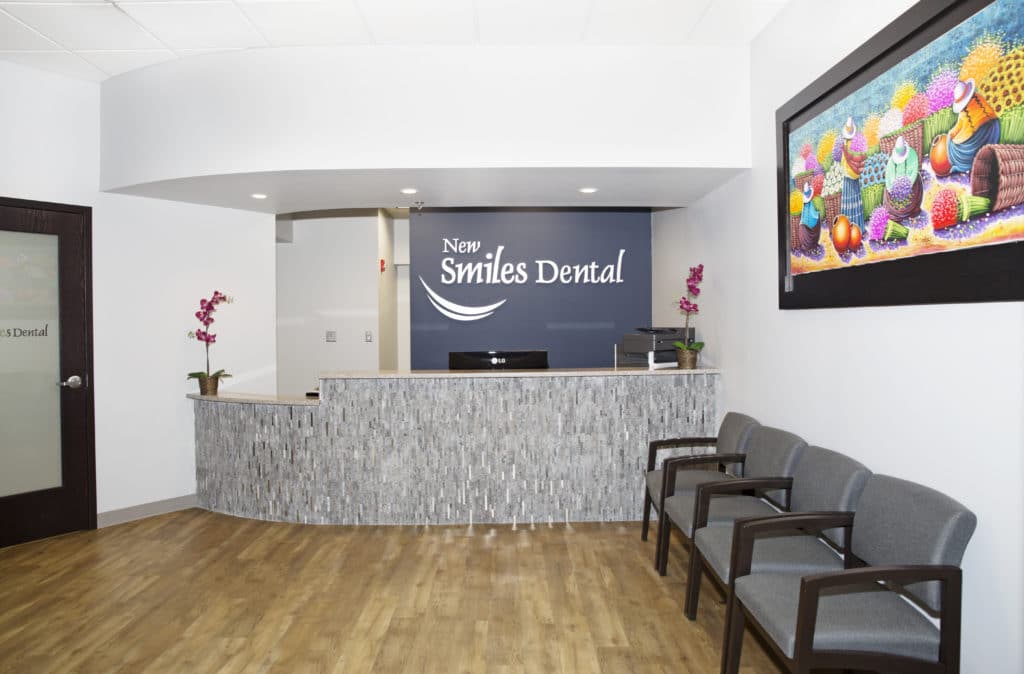
New Smiles Dental provides personalized tooth replacement solutions designed to restore comfort, appearance, and oral function. Whether you recently lost a tooth or have been living with gaps for years, understanding your options can help you make informed decisions about your dental health.
In this guide, you will learn why replacing missing teeth quickly matters, how tooth loss affects your jaw and bite, what treatment options are available, and how early intervention can save you money in the long run.
Table of Contents
- The Hidden Damage Caused by Missing Teeth
- How Missing Teeth Affect Your Bite and Daily Life
- Tooth Replacement Options That Protect Your Smile
- Why Early Treatment Saves Money Over Time
- Frequently Asked Questions
The Hidden Damage Caused by Missing Teeth
Losing a tooth creates more than a space in your smile. Your teeth work together as a complete system, and when one tooth disappears, the surrounding structures begin to change almost immediately. Many people are surprised to learn how quickly tooth loss can affect the jawbone, neighboring teeth, and even facial structure.
One of the biggest concerns is bone loss. Healthy teeth stimulate the jawbone every time you chew. When a tooth is missing, the bone underneath no longer receives that stimulation, causing it to deteriorate gradually. According to the American Academy of Implant Dentistry, significant bone loss can begin within the first year after tooth loss. Over time, this shrinkage may make future restorative treatments more complex and can contribute to a sunken facial appearance.
Missing teeth also place extra pressure on surrounding teeth. Adjacent teeth naturally drift toward open spaces, while opposing teeth may begin to over-erupt because they no longer have a matching tooth to bite against. This shifting changes the alignment of your bite and can lead to uneven wear, jaw discomfort, and difficulty chewing.
In many cases, patients do not notice these changes immediately because they happen gradually. A small gap may feel manageable at first, but months or years later, the consequences become more noticeable. Teeth can become harder to clean properly, increasing the risk of plaque buildup, gum disease, and tooth decay.
Bone deterioration can also complicate future treatment. For example, dental implants require adequate bone support to remain stable. Waiting too long after tooth loss may require additional procedures, such as bone grafting, before implant placement is possible. Acting early often simplifies treatment and improves long-term outcomes.
Another overlooked issue is speech. Teeth play an important role in pronunciation, especially front teeth. Missing teeth can affect speech clarity and confidence in social or professional settings. Some people begin avoiding smiling, laughing, or speaking openly because they feel self-conscious about gaps in their teeth.
Tooth loss may also impact nutrition. Patients often avoid hard or crunchy foods when chewing becomes uncomfortable. Over time, dietary limitations can affect overall health and wellness. Replacing missing teeth helps restore proper chewing ability so patients can enjoy a balanced diet again.
Research from the National Institute of Dental and Craniofacial Research supports the connection between oral health and overall health, emphasizing the importance of maintaining a functional, healthy mouth.
By replacing missing teeth promptly, patients can help preserve jawbone density, maintain healthy bite alignment, and reduce the risk of additional oral health complications. Early intervention is one of the most effective ways to protect both your smile and your long-term dental health.
How Missing Teeth Affect Your Bite and Daily Life
Many people underestimate how much a single missing tooth can change everyday life. Teeth are designed to work together in balance, and when that balance is disrupted, simple activities like eating, speaking, and smiling can become more difficult over time.
One common problem is bite misalignment. When surrounding teeth shift into a space, your bite can become uneven. This uneven pressure places strain on certain teeth and jaw joints, potentially leading to discomfort or chronic jaw pain. Some patients even develop headaches or symptoms associated with temporomandibular joint disorders (TMJ).
Chewing efficiency also decreases after tooth loss. Missing molars, in particular, can make it difficult to break down food properly. Patients may begin favoring one side of the mouth while chewing, which places excessive stress on remaining teeth. Over time, this imbalance can increase wear and create additional dental problems.
Proper bite alignment is essential for protecting your teeth, jaw joints, and overall oral function. Even one missing tooth can affect the stability of your entire bite. Restoring missing teeth helps distribute chewing forces evenly and reduces strain on surrounding structures.
Another major concern is confidence. Many people feel embarrassed about gaps in their smile, especially when missing teeth are visible while talking or laughing. This loss of confidence can affect social interactions, professional situations, and overall quality of life. Restorative dentistry not only improves oral health but also helps patients feel more comfortable and confident again.
Speech difficulties may also develop. Certain sounds require proper tongue placement against teeth. Missing teeth can interfere with pronunciation and speech clarity, particularly when front teeth are involved. Patients often notice improvements in speech after receiving restorative treatment.
Gum health is another factor to consider. Empty spaces created by tooth loss can trap food particles and bacteria more easily, increasing the risk of gum inflammation and periodontal disease. If gum disease progresses, it can threaten the health of remaining teeth as well.
Modern dentistry offers several effective ways to restore both function and appearance. Dental implants are often considered the gold standard because they replace both the visible tooth and the root underneath the gums. Bridges and dentures also provide reliable options depending on the patient’s needs, oral health, and budget.
Patients interested in restoring their smile can learn more through a comprehensive restorative dentistry consultation. Internal Link: /services/dental-implants
The emotional impact of tooth loss should not be overlooked either. Many patients report feeling older or less attractive after losing teeth. Restoring missing teeth can significantly improve self-esteem and encourage healthier social engagement.
Ultimately, replacing missing teeth does more than improve appearance. It restores stability, comfort, and function while helping protect the long-term health of the entire mouth.
Tooth Replacement Options That Protect Your Smile
Advances in restorative dentistry have made replacing missing teeth more comfortable, durable, and natural-looking than ever before. Today’s patients have several excellent treatment options available depending on the number of missing teeth, oral health condition, and personal goals.
Dental implants are among the most popular solutions because they closely mimic natural teeth. An implant consists of a titanium post placed into the jawbone, which acts like an artificial tooth root. Once healed, a custom crown is attached to restore appearance and function. Because implants stimulate the jawbone during chewing, they help prevent bone loss and maintain facial structure.
One of the biggest advantages of implants is stability. Unlike removable dentures, implants remain securely anchored in place, allowing patients to eat, speak, and smile confidently. With proper care, dental implants can last for many years and often become a long-term investment in oral health.
Dental bridges provide another effective option for replacing one or several missing teeth. A bridge uses neighboring teeth as support to hold an artificial tooth in place. Bridges restore chewing ability and appearance while preventing nearby teeth from shifting into the space.
For patients missing multiple teeth, dentures may be recommended. Modern dentures are far more advanced and natural-looking than older versions. Partial dentures replace several missing teeth, while full dentures restore an entire arch. Implant-supported dentures can provide additional stability and comfort for eligible patients.
Choosing the right solution depends on several factors, including bone density, gum health, lifestyle, and budget. A thorough dental examination helps determine which treatment offers the best long-term results.
Another important consideration is timing. The sooner treatment begins after tooth loss, the easier it often is to preserve healthy bone and maintain proper alignment. Delaying replacement may limit future options or increase treatment complexity.
Patients are often surprised by how natural modern restorations look and feel. Advances in materials and digital technology allow dentists to create highly customized restorations that blend seamlessly with surrounding teeth. Most people cannot tell the difference between a well-designed restoration and a natural tooth.
New Smiles Dental focuses on creating personalized treatment plans based on each patient’s needs and goals. The practice understands that every smile is unique, and treatment recommendations should reflect both health priorities and lifestyle preferences.
Patients looking for additional information about restorative options may benefit from exploring educational resources about tooth replacement and oral health maintenance. Internal Link: /blog/how-to-maintain-healthy-gums-after-tooth-loss
The American Dental Association also provides helpful information about replacing missing teeth and maintaining oral health.
By understanding available treatment options, patients can make informed decisions that protect their smile, oral function, and long-term health.
Why Early Treatment Saves Money Over Time
Some people delay replacing missing teeth because they worry about the upfront cost of treatment. While this hesitation is understandable, postponing care often leads to more serious oral health issues that become significantly more expensive to treat later.
When missing teeth are left untreated, neighboring teeth shift and the jawbone deteriorates. These changes can create additional dental problems that require complex restorative work. What may have started as a simple single-tooth replacement could eventually involve orthodontics, periodontal treatment, bone grafting, or multiple restorations.
Bone loss is one of the most costly consequences of delayed treatment. Dental implants require healthy bone support to function properly. If too much bone disappears, patients may need bone grafting procedures before implants can be placed. These additional treatments increase both treatment time and expense.
Untreated tooth loss can also increase the likelihood of tooth fractures and uneven wear. As remaining teeth absorb extra chewing pressure, they become more vulnerable to damage. Repairing cracked or broken teeth may require crowns, root canals, or extractions that could have been avoided with earlier intervention.
Preventive care and timely restorative treatment are often far more affordable than extensive reconstructive dentistry later on. Investing in tooth replacement early helps preserve the health of surrounding teeth and supporting structures.
Another important factor is overall health. Difficulty chewing may lead patients to avoid nutritious foods like fruits, vegetables, and lean proteins. Poor nutrition can affect general wellness and potentially contribute to other health concerns over time.
Replacing missing teeth early can also improve quality of life. Patients often report feeling more comfortable in social situations, enjoying meals again, and experiencing less stress about their oral appearance. These emotional and functional benefits add significant value beyond the financial aspect alone.
Insurance coverage may also play a role. Some restorative procedures may qualify for partial coverage depending on the patient’s plan. Scheduling an evaluation sooner rather than later allows patients to better understand available treatment options and financial arrangements.
At New Smiles Dental, patient education is an important part of the treatment process. The goal is to help patients understand both the immediate and long-term impact of missing teeth so they can make confident decisions about their oral health.
Ultimately, replacing missing teeth promptly is an investment in both oral health and financial stability. Addressing tooth loss early often reduces the need for more invasive and costly procedures in the future while helping patients maintain a healthy, functional smile.
Frequently Asked Questions About Missing Teeth
How soon should missing teeth be replaced?
It is generally best to replace missing teeth as soon as possible. Bone loss can begin shortly after tooth extraction, and surrounding teeth may start shifting over time. Early treatment helps preserve jawbone health, maintain bite alignment, and reduce the need for additional procedures later.
What happens if I do not replace a missing tooth?
Leaving a missing tooth untreated can lead to jawbone deterioration, shifting teeth, bite problems, gum disease, and difficulty chewing. Over time, these changes may create more complex and expensive dental issues that affect both appearance and oral function.
Are dental implants better than dentures?
Dental implants and dentures each have advantages depending on the patient’s needs. Implants provide excellent stability and help preserve jawbone density, while dentures may be more appropriate for patients missing multiple teeth or seeking a removable option. A dental consultation can help determine the best solution.
Can missing teeth affect my facial appearance?
Yes. Missing teeth can contribute to bone loss in the jaw, which may cause the face to appear sunken or aged over time. Replacing teeth promptly helps support facial structure and maintain a more youthful appearance.
Is replacing missing teeth expensive?
The cost depends on the treatment type and the number of teeth involved. However, delaying treatment often leads to more extensive dental work later, which may increase overall expenses. Early intervention is usually more cost-effective in the long term.
Conclusion
Missing teeth affect far more than your smile. Tooth loss can weaken the jawbone, shift surrounding teeth, change your bite, and create challenges with eating and speaking. These problems often worsen gradually, making early treatment one of the smartest decisions for protecting long-term oral health.
Fortunately, modern restorative dentistry offers effective solutions that restore comfort, function, and confidence. Whether through dental implants, bridges, or dentures, replacing missing teeth promptly can help preserve healthy bone, maintain proper alignment, and reduce the risk of future complications.
New Smiles Dental is committed to helping patients restore healthy, functional smiles with personalized care and advanced treatment options. By addressing tooth loss early, patients can protect both their oral health and their overall quality of life for years to come.
If you are living with missing teeth, now is the time to take the next step toward protecting your smile and oral health. Waiting too long can lead to bone loss, shifting teeth, bite problems, and more costly dental procedures down the road. Replacing missing teeth early helps preserve your jaw, improve chewing function, and restore confidence in your smile.
New Smiles Dental provides personalized restorative dentistry solutions designed to fit your needs, comfort level, and long-term goals. Whether you are missing one tooth or several, the team can help you explore treatment options that restore both appearance and function.
Do not let missing teeth continue affecting your daily life. Contact New Smiles Dental today to schedule a consultation and learn more about your tooth replacement options. A healthier, stronger smile starts with timely care and expert guidance.